• External link opens in new tab or windowThe Rh Negative FORUM
  • External link opens in new tab or windowShop Now
  • External link opens in new tab or windowSURVEY
  • External link opens in new tab or windowMember's Login
  • External link opens in new tab or windowResearch Consultant
  • External link opens in new tab or windowDiscussions
The Rh-Negative Registry
Menu
  • External link opens in new tab or window
  • External link opens in new tab or window
    • External link opens in new tab or window
  • External link opens in new tab or window
    • External link opens in new tab or window
    • External link opens in new tab or window
    • External link opens in new tab or window
    • External link opens in new tab or window
    • External link opens in new tab or window
    • External link opens in new tab or window
    • External link opens in new tab or window
    • External link opens in new tab or window
    • External link opens in new tab or window
    • External link opens in new tab or window
    • External link opens in new tab or window
  • External link opens in new tab or window
    • External link opens in new tab or window
    • External link opens in new tab or window
    • External link opens in new tab or window
    • External link opens in new tab or window
    • External link opens in new tab or window
    • External link opens in new tab or window
    • External link opens in new tab or window
    • External link opens in new tab or window
    • External link opens in new tab or window
    • External link opens in new tab or window
    • External link opens in new tab or window
    • External link opens in new tab or window
    • External link opens in new tab or window
    • External link opens in new tab or window
    • External link opens in new tab or window
    • External link opens in new tab or window
    • External link opens in new tab or window
  • External link opens in new tab or window
  • External link opens in new tab or window

Rh- Negative Mother & Pregnancy

You're Rh-Negative & Pregnant...now what?

Congratulations on your baby!!


Now that you know you are pregnant, your doctor should be checking your blood for the Rh-negative (Rh-) Factor.  So what does this mean and why does it matter?


There are 8 main blood types in human beings.  The Rh-positive types are A, B, AB and O.  The Rh-negative blood types are A-, B-, AB- and O-.   The Rh-negative (Rh-) Factor is much more rare than the Rh-positive  (Rh+) Factor, accounted for only 15% of the US Population.  When you are Rh-negative it means that you do not have a protein called, The Rh Factor, named for the Rhesus Monkey protein or the D antigen, on the surface of your red blood cells.  Blood Type & Factor play an important role in pregnancy when an Rh-negative (Rh-) woman becomes pregnant with a man who is Rh-positive (Rh+). Since 85% of the US Population is Rh-positive (Rh+), it stands to reason that Rh-negative women are more likely to get pregnant by an Rh-positive mate.  For more on the Migration and Distribution of the Rh- Factor Blood Line, please click here.


There are reasons why your doctor will test your blood during your pregnancy.  However, finding out your blood type and the compatibility of your mates is the most important.  If you are pregnant and Rh-negative and are carrying a child that is Rh-positive, like the child's father; your baby and future pregnancies can be at risk for a serious medical disease, birth defect or worse miscarriage and death. 
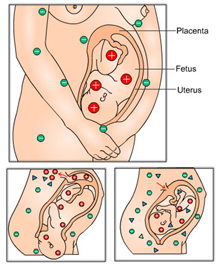
Rh-Negative (Rh-) Sensitization Process

When an Rh-negative mother is exposed to her Rh-positive baby's blood, the mother's body is at risk for becoming "sensitized".  This causes the mother's immune system to shift into gear and begin producing antibodies that are specifically designed to find and destroy these foreign blood cells.


During your first pregnancy, these antibodies are typically not dangerous, because chances are that you will not be exposed to your child's blood until delivery.  Therefore, the first child would typically be unaffected.  However, once an Rh-negative mother has been exposed or sensitized to her child's Rh-positive blood, the process of building a multiplying army of antibodies has began.  These antibodies will sit in wait for the next pregnancy and once the Rh-positive cells are recognized, the antibodies are programmed to attack.   Without medical intervention, all of your subsequent pregnancies are at risk of being self terminated by these antibodies.


In the late 1940's the Rh-negative factor was discovered by two scientists, who began looking for a cure to a disease that killed 2 dozen babies each day.   In 1968, a process of medical intervention was invented and a product called RhoGAM or (Brand Rho(D) Immune Globulin (Human), became FDA approved and available for use.  When an Rh-negative mother is given an "injection" of RhoGAM, it protects her immune system from being exposed to the Rh-positive blood.  RhoGAM is usually administered twice during your pregnancy, if you choose to get it, once at 28 weeks and again within 72 hours of delivery. RhoGAM is a human blood/plasma product.  If you would like to find out more about RhoGAM's donor, screening and/or manufacturing process, please External link opens in new tab or windowclick here to be redirected to the External link opens in new tab or windowJohnson & Johnson Company, RhoGAM Homepage.

 

Join the Rh Negative Registry Today. Click here!!

Since 1968, other competitive products have also become available for use in this situation.  Please do your own research on the positive and negative effects, risks and ingredients of each drug, so that you can make the most informed decision on how to handle your bodies Rh- Pregnancy.


Without use of Medical Intervention, the immune system of an Rh-negative mother will not be controlled. These sensitized antibodies it has created are from the first pregnancy are specifically programmed, ready and waiting to attack the Rh-positive (Rh+) blood cells of your subsequent pregnancies.  As the antibodies begin to attack and destroy the red blood cells of your pregnancy,  it can lead to serious complications including Anemia, Jaundice, Cerebral Palsy, Mental Retardation, Heart Failure and even death in severe cases.  This horrible condition is called Hemolytic Disease of the Newborn or HDN and in severe cases would typically cause a still birth or cause death very shortly after birth.


In General, for the protection of your future pregnancies, all Rh-negative woman should be treated for Rh-positive sensitization after a normal delivery, a miscarriage, an induced abortion or menstrual extraction, an ectopic pregnancy, chorionic villus sampling, external cephalic version, amniocentesis, hemorrhage, abdominal trauma, still birth, fetal blood sampling and any blood or plasma transfusions.


There are some doctors, who will tell those people with Rh-negative, that their blood type causes no special health concerns; except when they give or receive blood, or during pregnancy.  However, THIS IS NOT TRUE.  There are other Medical and Genetic Issues that are associated with being a person who has Rh-negative (Rh-) blood.  For more information on Medical and Scientific Research and Studies related to the Rh- Factor, please click here.


Rh- Negative Blood Registry, Only $1.99 for Life!

If you are an Rh- Mom, please take a moment to think about your children.


There is a chance that you may have passed your Rare Rh- Blood Type on to your children. 


Protect their future by knowing where you can find a matching rare blood type donor quickly!


Lifetime Membership

to the Rh-Negative Registry

For Only $1.99


Join The New Rh-Factor Autoimmune Connection Community Today! Click here!


Rh-Sensitization and the Levels of Rh-Disease

If you have been Rh-sensitized in the past, it is very important to be closely monitored by an experienced OB/GYN during any future pregnancy with an Rh-positive partner; as the fetus is more likely to be classified as Rh-Positive (Rh+/-). The Rh-sensitized immune system of the mother is now poised and ready, may quickly recognize the Rh-Positive Red Blood Cells of the Fetus.  It may quickly develop IgG antibodies, which can cross the placenta and destroy the fetal red blood cells that the mother's body sees as "foreign" invaders.  This immune system response can result in fetal disease, also known as Rh-Disease, Erthroblastosis or Hemolytic Disease of the Newborn; which can be mild to severe and in extreme cases can cause death.  Once a woman is Rh-sensitized, the condition may produce more serious problems in each subsequent Rh-Positive pregnancy with an Rh-Positive Partner.


Below are the common “Levels” referred to, when discussing Rh-Disease and the extent of damage it can cause to the developing fetus.


  • Severe Rh-Disease or Fetal hydrops refers to the widespread and serious destruction fetal red blood cells. This condition leads to the fetus developing severe anemia which can lead to heart failure, total body swelling, respiratory distress, liver and/or spleen enlargement, jaundice and highly elevated bilirubin levels.  One or more fetal blood transfusions may be needed before birth. In very severe cases of Rh disease the fetus may need a blood exchange, which replaces the majority of the newborn’s blood with donor blood, usually type O-Negative. Other treatment procedures that may be implemented include use of  phenobarbital before delivery and infusions of albumin after delivery to help reduce bilirubin levels, as well as phototherapy treatments.

  • Moderate Rh-Disease refers to the destruction of a larger numbers of fetal red blood cells, moderate anemia, possible development of an enlarged liver and jaundice is looked for closely.  Preterm delivery may be necessary to remove the fetus form the hostile environment and they may require a blood transfusion before and/or after birth.

  • Mild Rh-Disease may involve limited destruction of the fetal red blood cells and could result in mild fetal anemia. Usually the fetus can be carried to term and requires little or no special treatment.  However, some jaundice may occur after delivery. This lighter level of Rh-Disease is usually seen in a first pregnancy after sensitization has occurred.

  • After delivery, infants who have suffered a severe Rh incompatibility and are experiencing extreme cases of jaundice are at the greatest risk for developing Kernicterus; which is a neurological syndrome caused by deposits of bilirubin in the tissue of the brain. This syndrome is characterized by symptoms which may include the loss of the newborn's startle reflex,  a decreased amount of activity and poor feeding. Additional more serious symptoms include a shrill sounding cry, a bulging fontanel and possibly seizures.  If the infant survives Kernicterus, they may later experience poor muscle tone, seizures, tone specific hearing loss and sometimes decreased mental ability. Kernicterus is a very serious condition that demands a physician or specialist who is experienced in  Rh incompatible pregnancies and their possible complications.

If you have been Rh-Sensitized, it only affects Rh-Positive pregnancies.  If you are Rh-Sensitized and are later pregnant with an Rh-Negative fetus it cannot trigger the same immune reaction during the pregnancy.

Does RhoGAM work for everybody?

 In addition to the major ABO and Rh blood group antigens, there are numerous other minor RBC blood group antigens that are less common, these include Kell, Kidd, Duffy, and other Rh antigens. Antibodies to these antigens are only produced by the body when exposed to them through blood transfusion or when an expectant mother is exposed to fetal red blood cells during pregnancy.


When a person with a RBC antibody is exposed to RBCs bearing the "foreign" antigen, whether by a transfusion or pregnancy, the RBC antibodies may attach to the specific antigens on the foreign RBCs and target those RBCs for destruction. Depending on the antigen and antibody involved and the quantity of RBCs damaged, it can cause an immune reaction ranging from mild to severe, even deadly.


The RhoGAM shot used in Rh incompatible pregnancies to stop the mother's immune reaction to the foreign Rh+ fetal red blood cells.  RhoGAM is most effective in preventing sensitization from the main Rh blood group system and it's two most common gene loci (RHD and RHCE). The Rh antigen of greatest importance is the D antigen, it's a combination of the Rh alleles that are inherited from each parent. If both D genes are inherited, the individual is said to be homozygous Rh-positive (Rh+/+). If one D gene is inherited, the blood type will be Rh positive and the individual is said to be heterozygous due to the deletion of one D gene from one chromosome (Rh+/-). If neither D gene is present, the individual will be Rh-negative (Rh-/-). Total absence of both the RHD & RHCE genes results in the condition known as Rh null & it's very rare!

O Negative 1st prep-got RhoGAM 2nd greg O Positive with low D antigen

May 25, 1976

<p class="plain">Can anyone explain? &nbsp;My daughter was O Negative 1st pregnancy-got RhoGAM Now 2nd Pregnancy O Positive with low D antigen? She received 2 RhoGAM shots for her first pregnancy. Should she get the RhoGAM shot? Can it harm her or her unborn child?</p><div class="plain">thank you</div><div class="plain">Diane</div><p class="plain"></p>

Th meg question

May 23, 1976

<p class="plain">Hi I was 10 1/2 weeks pregnant and had a miscarriage. I also have a negative blood type. I did not get the shot until after the miscarriage. However I was pregnant about 7 months before this and had a blighted ovum. I never got the shot then either. Could this hav caused my miscarriage? I already have 2 kids ages 13 and 8. And yes I had to get a th beg shot while I was pregnant with them.</p>

Ms

May 23, 1976

<p class="plain">Hi.&nbsp; How did I get Rh neg and B beg blood </p>

Need help

May 23, 1976

<p class="plain">Can someone help me. At postpartum an rh negative mom gave birth to an rh positive baby, but mom has not produced anti-D in her blood. Does she still need rhogam?</p>

Helo

May 22, 1976

<p class="plain">As my mother was B positive and my father is O positive... &nbsp;myself was twins , i m O negative..... but my other pair of twins was died by appearance of "blue baby".... but i m alive.... what is the reason of that baby died ???</p>

Show more...


This is a story about how the lack of education can
        lead to questioned paternity, even in this day and age...


The father of a newborn tells us this tale about how he "could have" questioned whether the baby was his or not, because of something a midwife says regarding the newborns rhesus status.  Enjoy his story!


The day after the birth, while we are both lying on our bed, very tired, a midwife comes by and asks us whether we know the rhesus status of the baby. We answer negatively, she checks her notes and says, “Ah, good news, the baby is rhesus negative. The father must also be rhesus negative then!” Well, he says, I am not…


External link opens in new tab or windowClick here to continue reading this story about the rhesus factor and midwives that make random comments about genetics.  The father says, "maybe they should know better before making any comments that are not required. He also states, "I can imagine that a statement of this type could make a father quite suspicious for no good reason," had he not known better!


This is a good example of how undereducated even professionals can be when discussing something like the Rhesus Factor; that effects only a small percentage of the total population.  We individually need to make ourselves more aware of the facts, become more proactive and ask more questions!


Blood Type Calculators

Blood Type Calculator ~ External link opens in new tab or windowClick Here.


Print Yours Today!


Are you B-12 Deficient? Learn More!               HLA-B27 and the Rh-Negative Association - Learn more!


HLA-B27 Positive Support Forum       Pulmonary Fibrosis Support Forum       Wilson's Disease Support Forum


Cell-free fetal nucleic acids in maternal blood.

BACKGROUND Cell-free fetal nucleic acids (cffNA) can be detected in the maternal circulation during pregnancy, potentially offering an excellent method for early non-invasive prenatal diagnosis (NIPD) of the genetic status of a fetus. Using molecular techniques, fetal DNA and RNA can be detected from 5 weeks gestation and are rapidly cleared from the circulation following birth.


RESULTS Cell-free fetal DNA comprises only 3–6% of the total circulating cell-free DNA, therefore diagnoses are primarily limited to those caused by paternally inherited sequences as well as conditions that can be inferred by the unique gene expression patterns in the fetus and placenta. Broadly, the potential applications of this technology fall into two categories: first, high genetic risk families with inheritable monogenic diseases, including sex determination in cases at risk of X-linked diseases and detection of specific paternally inherited single gene disorders; and second, routine antenatal care offered to all pregnant women, including prenatal screening/diagnosis for aneuploidy, particularly Down syndrome (DS), and diagnosis of Rhesus factor status in RhD negative women. Already sex determination and Rhesus factor diagnosis are nearing translation into clinical practice for high-risk individuals.


CONCLUSIONS The analysis of cffNA may allow NIPD for a variety of genetic conditions and may in future form part of national antenatal screening programmes for DS and other common genetic disorders.


See Tables & Full Study, External link opens in new tab or windowclick here>

Women With Blood Type O May Have More Trouble Conceiving

In a given month the chances of conception are low for a healthy women but that the mother’s blood type could also decrease or increase her chances of having a baby is not what was known till now. Recently a study in US has shown that women who have a blood type O have lesser number of eggs and poor egg qualities than others, making conception more difficult for them.


It was found that women who had a blood type O had a higher level of “follicle stimulating hormone” (FSH) than those with type A. This hormone, according to fertility experts, is produced in the body to stimulate the follicles in the ovaries and ask them to produce more eggs. The higher percentage of this hormone thus indicates that the body has low number of eggs.


Usually in women aged between 30 and 40 when the eggs have reduced, the FSH is higher to stimulate the ovaries to produce more eggs. The researchers found that women with blood type O had an FSH level mostly higher than the threshold level of 10. This was higher than any other blood type.


Read full article, External link opens in new tab or windowclick here>

Additional Article, External link opens in new tab or windowclick here>


How did you get your Rh-Negative Blood Type?

Rh Negative Pregnancy Information


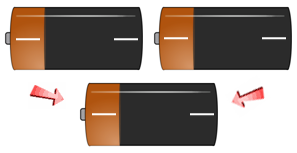
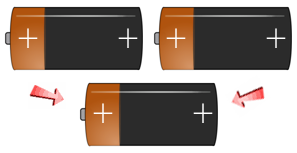
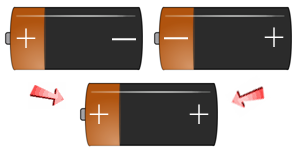
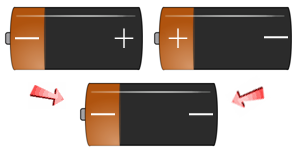
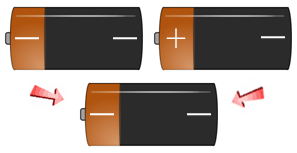
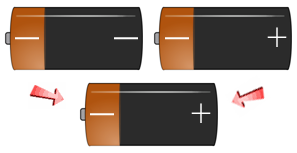
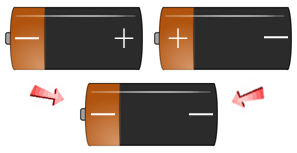
Every human being is born with two (2) individual Positive or Negative Rh Blood Factors.  During conception, each parent must pass one (1) of their "Factors" on to their children.  Below you can see the way a child's Positive or Negative Rh Blood Factor is finally determined; based on their receipt of the two parents combined Rh Factors.


  • If a person has + + genes, they are Rh-positive  (Rh+).
  • If a person has +  - genes, they are Rh-positive  (Rh+).
  • If a person has  -  - genes, they are Rh-negative (Rh-).


Use the battery slide show image examples below to get an understanding of the different ways the Rh-positive and Rh- Negative Factors are passed down to your children. If you have an Rh-Negative Parent - You are Rh+/- , you have a recessive Rh Negative Factor and will be classified as Rh+.


Two Rh- Parents = Rh- Children Only
(2X Rh+ Factor) Parents = Rh+ Kids Only
Rh+ Parents with Recessive Rh- Factor = 50/50 Rh+
Rh+ Parents with Recessive Rh- Factor = 50/50 Rh-
Rh- Mom & Dad (+ -) = 50/50 Rh-
Rh- Mom & Dad (+ -) = 50/50 Rh+
0


So is there ever an exception?


Can two Rh- parents ever have an Rh+ child?


The answer to this really important question is yes. And the answer is for a much simpler reason than the blue-eyed parents having a child with green eyes that we discuss in our answer External link opens in new tab or windowhere.


The reason is that people who test negative for Rh aren’t always Rh-. The test isn’t always sensitive enough to get the right answer (although it usually does). And it only tests for one of the two Rh genes. And it doesn’t test for any of the other genes that can cause similar problems.


To understand how the test could go wrong, we first need to dig a bit deeper into Rh biology and our immune system.

Rh status is usually explained as this simple, one gene trait.


But there are two Rh genes, RhD and RhCE. There are also other genes with names like Kell, Duffy and Kidd that can cause similar problems.

Read more, External link opens in new tab or windowclick here>


Pregnancy & Blood Types


"It is now possible to do genetic tests on unborn babies from their mother's blood"


External link opens in new tab or windowClick Here to Read the Article


Have you heard of Anti-G Blood?
Anti-G and Immune Tolerance in Pregnancy


Download the PDF Explanation


HLA-G Pregnancy.pdf


Type O-Negative & Toxemia


This study conducted was expecting to find a higher rate of Type A blood types experiencing preeclampsia and eclampsia.  It did not find supporting proof of the theory, although it did show an increased amount of Type O-Negative (Rh-) mother's experiencing toxemia.


Print This Study!


Become a Member Today


Research & Learn more about Blood Type Incompatibility and Pregnancy; the possible effects on the mother and the unborn fetus.  Rh-Negative Factor is not the only incompatibility affecting pregnancy, see how it may affect yours.


Join Today!


Only $9.95 per year


Rh-Negative Differences in Pregnancy

Rhesus opposition might be the cause for the increased maternal serum levels of ß-hCG.


Print This Study!


The Fallacy of Pooling Heterogeneous Data


When related to the Rh-Factor and pregnancy, a person who is heterozygous is recessively carrying an Rh-Negative factor. They are in fact, Rh+/- people.
This study explains WHY you cannot get true results when you are pooling or combining the Rh+/- population into the Rh+ group.
You can print the study below but in layman's terms; let's say we have a Chicken and a Duck that we are studying, as well as their heterozygous offspring that we'll call a CHUCK!  If we are looking for differences, similarities and trends; would it be fair to add the CHUCK to the Category of Chickens or Ducks? No!  It would skew the results, as some CHUCKS may be more Chicken like and others more Duck like; the animal would be non-comparable to either main category. It is my hope that somebody will start to get the control groups straight before continuing to conduct studies that START OFF wrong!


Print This Study!


Click here to learn what Microchimerism is!
Click Here to Learn More about
Microchimerism & it's connection to
pregnancy & autoimmune disease.

Pregnancy After Sensitization...

There can be healthy pregnancy

after Rh-Sensitization!


Today there are procedures and precautions used to help prevent Rh-Disease from affecting the unborn fetus in a post Rh-sensitization pregnancy.


Unfortunately, some woman do become Rh-sensitized and fear that they may not be able to have another healthy pregnancy come to term.  Some of the information can be confusing or not explained well and lead to a person not having a full understanding of their situation.  Once Rh-sensitized, the immune response that causes Rh-disease can only occur again in Rh-Positive Pregnancies.


On a External link opens in new tab or windowwebsite recently reviewed, I noticed that when explaining Rh-sensitization it states, “The baby growing inside the Rh-negative mother may have Rh-positive blood, inherited from the father.  Statistically, at least 50% of the children born to an Rh-negative mother and Rh-positive father will be Rh-positive”. 


This is my opinion is an example of an explanation that leads to confusion for most people.   Our blood type is NOT inherited from  our mother OR father.  We each receive one blood type letter and one Rh factor from EACH parent and we all end up with two.  A person who is Type O- is really Type OO-/-, as they received one type (O) and one (Rh-) Factor from each parent. While the statistics may be spot on, we clearly do not actually inherit our blood type from one parent or the other, but from BOTH!


One  major misunderstanding made by most people, is that all Rh-positve people are Rh+/+.  However, there are many people in the population who are called Rh+ but who are really Rh+/-. These people are heterozygous, which means they possess two different forms of a particular gene, one inherited from each parent. A person who is heterozygous is called a heterozygote or a gene carrier. When talking about the Rh-Factor, it would actually make the person (Rh+/-) or an Rh- recessive gene carrier.


Unfortunately, we do not usually know our recessive traits unless closely investigated by familial history or extensive testing is performed.  This results in statistics like, “at least 50% of children born to an Rh-negative mother and an Rh-negative father will be Rh-positive”, as stated on the site referenced above.


As science advances, there are new and upcoming possible solutions to this issue for Rh-sensitized and Rh-incompatible couples.  According to External link opens in new tab or windowDr. Kenneth Moise, “We really are interested in trying to get rid of the maternal antibody, that's the problem. If we could get a mother to drop her titers before she became pregnant through some sort of immunomodulation, we think that would ultimately be the correct way to treat this disease”.  However, he states that the studies are still in the early stages.   He also mentions that in some situations even today, through genetic engineering, they are now able to offer some unique therapies to the father or to the couple that are in fact heterozygous or Rh+/-.  Dr. Moise explains that if the father is heterozygous, that means that although he is called Rh positive, he is actually Rh+/-.  As a recessive gene carrier he has a 50-50 chance of in fact fathering an affected offspring, and if that offspring happens to be Rh negative, that offspring has no effects of the disease and he'll be fine. However, if in fact the father passes his dominant Rh+ factor, the fetus will obviously be affected.


Furthermore, Dr. Moise states, “We are now able to do genetic engineering with in vitro fertilization with the egg cells and test those embryos to see if they're Rh negative or Rh positive”. Once separated they would then only place the Rh-negative embryos in the uterus to guarantee the couple an unaffected pregnancy. He states that while he believes it's been attempted once, it was unsuccessful and to his knowledge, no one has yet to do it with success. However, there are said to be several couples who have very bad Rh disease, a heterozygous paternal genotype & they are considering this therapy. Hopefully, they will soon have more success with finding a fix to this often heart breaking situation.


What is the Importance?

Read more about why it matters

  • The Rh+/- or Recessive Trait
  • My Theory: An Introduction...
  • What can we do about it now?


Two Rh+ people CAN have an
Rh- baby if BOTH parents carry the
RECESSIVE Rh-Negative Factor!


RhoGAM & Alternative Products

If you are an Rh-Negative Mother carrying an Rh- Negative Child, conceived by an Rh-Negative Father; You do not need a RhoGAM injection. 


In the US, we promote the shot for all pregnancies and sometimes it is just not necessary.  Please, take the time to do your own research before making your treatment decision.


The information below has been gathered together to create a well rounded starting place for you to begin your personal research. 


Anti-D (Rho) Immunoglobulin: USA

RhoGAM - External link opens in new tab or windowVisit RhoGAM Home Page


Miscellaneous Facts & Concerns

  • RhoGAM is a Human Blood Product, created by a donor pool of 300+ people.
  • You can get a Mercury Free RhoGAM injection
  • The FDA took Thermerosol out of Rhogam in 2001. This was the ingredient in the shot that contained mercury.
  • The shot was originally given within 72 hours of birth. Now it is common for it to be given routinely during pregnancy around 28 weeks
  • Autism, Developmental delays, cerebral palsy, mild retardation, and epilepsy connection concerns.
  • PUPPPS (a burning, itching rash all over the body) from this shot.
  • You may be told that you have to get the RhoGAM injection or your children could die at delivery. 


External link opens in new tab or windowPGD used to screen for Rh Blood Group


Australian doctors reportedly used pre-implantation genetic diagnosis (PGD) to screen embryos for their blood group, to ensure that the embryo selected for implantation shared a rhesus negative blood group with the mother (External link opens in new tab or windowBBC news report).


External link opens in new tab or windowKamRho-D IM

Product Type: (Human Anti-D (Rho) immunoglobulin)

External link opens in new tab or windowDownload the Brochure


External link opens in new tab or windowUS Patent 7276236

Hyper-immune serum globulin
Preventimmunization to the Rh-factor in Rh-negative mothers.


    External link opens in new tab or windowExternal link opens in new tab or windowClick here to read ~ Mercury Rising: Warnings in Pregnancy & Infancy - The Rhogam Vaccine


    Anti-D (Rho) Immunoglobulin: UK


    • D-GAM ® (Bio Products Laboratory)
    • Partobulin SDF ® (Baxter Bioscience)
    • Rhophylac ® (ZLB Behring)
    • WinRho SDF ® (Cangene Corporation)

     External link opens in new tab or window

    External link opens in new tab or windowLearn More Here... 

    Study: Rhesus Factor Controls Renal Function And Male Fertility.

    External link opens in new tab or windowScienceDaily (Nov. 19, 2008) — The “Rhesus” blood group is well-known from the public for its importance in the field of transfusion medicine.


    For several years, researchers from ULB have been studying Rhesus factors. These factors belong to a family comprising five proteins, three of which are present at the red cell surface (RhCE, RhD and RhAG) and determine the Rhesus blood group, and two others (RhBG and RhCG) which are found in various organs including the kidney, the liver and the male genital tract. 
    In 2000, this research group proposes that Rhesus factors play a role in the transport of ammonium in mammals, a process also remaining unknown in animals. This hypothesis was tested by Dr. Sophie Biver during her doctoral thesis performed in the Laboratory of Biology of Development (Profs Josiane and Claude Szpirer, also at IBMM, ULB), in collaboration with the group of Dr. Marini.
    The basic idea is simple: to generate mice deprived of the RHCG gene (the one expressed in the kidney) in order to determine if as proposed, these mice would present anomalies related to a defect in ammonium transport, and in particular to a defect in ammonium excretion in the urine.

    Read more, External link opens in new tab or windowclick here>


    • External link opens in new tab or windowClick to edit

    Copyright 2013, As You Wish...Personal & Virtual Assistance dba Rh Negative Registry View Disclaimer

    Powered by SiteKreator
    close lightbox