Welcome to the Rh- Medicine & Research Page
Making O-Neg Blood...
A life-saving method of converting blood from one group to another is being attempted by scientists. If successful, it could potentially mean an end to O-Negative blood shortages around the world.
Read the Full Article >
Click Here
Read the Full Article >
Read the Full Article >
Blood Pharming
D.A.R.P.A. & the Arteriocyte's Blood Pharming Program.
Scientists at the bioengineering company Arteriocyte had a DARPA contract (Defense and Research Projects Agency) to engineer red blood cells, a process called pharming.
Arteriocyte's Blood Pharming program is currently working to combine multiple state of the art technologies to produce fresh units of universal-donor (Type O, RH factor negative) packed red blood cells. The company's proprietary NANEX technology permits 250-fold expansion of hematopoietic stem cells that are subsequently cultured in a unique environment of nutrients and growth factor to induce differentiation into enucleated red blood cells.
Read the Full Article >
Arteriocyte Link >>>>
D.A.R.P.A. Link >>>>
Nanex Technology >
The HLA-B27 Genetic Marker
Do you have it?
What does it mean?
The HLA-B27 Genetic Marker is said to have protective properties that guard against the progression of HIV. It is said, that people with this gene do not have the right proteins

for the HIV virus to bind with. The HLA - B27 Marker is most often found in people with O- Blood.
HLA-B27 is an inherited gene marker that is associated with a number of related rheumatic diseases. They share in common, certain features like spinal and peripheral arthritis, skin and GI disorders, anterior chamber eye disease, psoriasis like skin lesions, as well as inflammation and joint pain. This gene is found with highest prevalence in patients with ankylosing spondylosis, reactive arthritis, and patients with the combination of peripheral arthritis and either psoriasis or inflammatory bowel disease To learn more about Ankylosing Spondylitis, click here.
Related AS Research Links :
http://en.wikipedia.org/wiki/HLA-B
http://arthritis.about.com/od/arthqa/f/HLAB27.htm
http://www.spondylitis.org/about/faq.aspx
http://www.answers.com/topic/hla-b27
Join the NEW Ankylosing Spondylosis Support Forum.
Click Here!
Ultrasound Detects Rh-Disease Complication in Womb ~ Read Article Here.
A new chapter in Rh research: Rh proteins are ammonium transporters ~ Read Article Here.
Rh- Known Medical Issues
Rh- Pregnancy? Be aware of Jaundice and the connection to Cerebral Palsy.
Click here to find out more & learn what signs to look for.
..
Why Rh-Negative Research?
Read more about why it matters
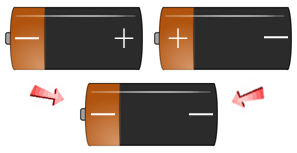
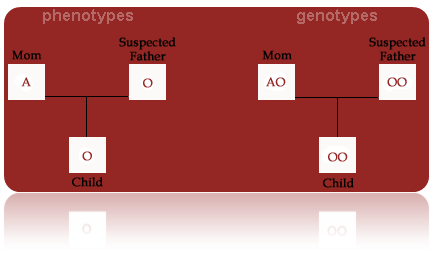
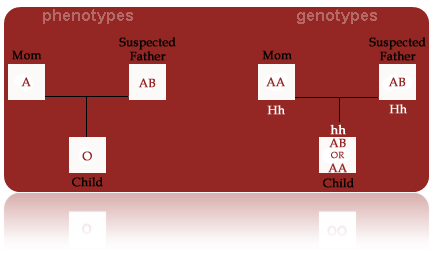
Two Rh+ people CAN have an
Rh- baby if BOTH parents carry the
RECESSIVE Rh-Negative Factor!

Epidemiologic evidence linking ABO and Rh blood groups in the mother with neural tube defect lesion level in the child.
A new chapter in Rh research: Rh proteins are ammonium transporters.
|
STUDY:
Rh Incompatibility May Be Schizophrenia Risk Factor.
Link:
Link:
STUDY:
Link:
STUDY:
Carriage rate of Human Immunodeficiency Virus (HIV) infection among different ABO and Rhesus blood groups in Adamawa state, Nigeria.
Link:
STUDY:
Link:
STUDY:
Breast cancer incidence in Greek women in relation to ABO blood groups and Rh factor.
Link:

|
STUDY:
ABO and Rh blood groups distribution in patients with endometriosis
Link:
STUDY:
First trimester screening for Down syndrome in rhesus negative women
Link:
STUDY:
The effect of ABO-Rh blood group determinants on urinary tract infections.
Link:
The Autoimmune Connection
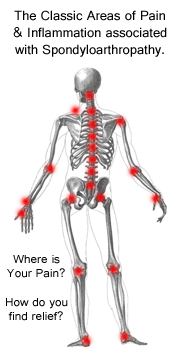
Ankylosing Spondylitis or "AS" is an autoimmune disease that may be more prevelant to those people who are tested positive for a genetic marker called HLA-B27. This theory is based on the research that 85+% of individuals diagnosed with Ankylosing Spondylitis or "AS"; happen to test positive for the HLA-B27 genetic marker, which is said to be had by only about 8% of the population or less, based on geographical location. I saw a connection because the blood type O- also appears in about 7% of the population and again that percentage varies by the geographical location of the population. After researching this connection and family history, I felt confidant enough to lay out my theory for my mothers' doctors, they listened and tested her for the genetic marker and it came back positive.
I do not know what the connection is; but I am looking, researching and trying to find the answers. In the meantime, I am learning about symptoms, treatments, effects and more. I will share with you what I find. Together, hopefully we can find the answers to improve the human condition. Click the links below, find out more or join the forum.
The Ankylosing Splondylitis Forum
Ankylosing Splondylitis Research & Resources
Join the Rh-Negative Autoimmune
Connection Community Today!
Gain access to more in-depth research related to the
Rh-Negative Factor, Autoimmune Conditions.